

Rodent Control in Katy, TX
Rodents have a way of turning a manageable situation into a recurring headache. Mice and rats find their way into structures through entry points that are easy to miss, and once they settle in, they disrupt routines and keep coming back no matter how many traps you set.
That is where professional rodent control makes a real difference. Without a proper inspection and a structured plan, most attempts to deal with rodents fall short. A trained technician can identify how and where rodents are getting in, put the right strategy in place, and follow through to make sure the problem does not return.
Hart Pest Control takes a thorough approach to rodent exclusion and population reduction. Seasonal patterns drive a lot of rodent activity, and monthly service keeps pressure on populations year-round. An initial treatment gets things moving, with a follow-up scheduled within two weeks to thirty days to reinforce results if needed.

What To Expect From Our Rodent Removal Services
Rats and mice don't stay contained for long, and the conditions that attract them are present year-round. Rodent Control addresses active infestations and prevents new ones through a structured, recurring approach built around bait placement and secure station installation.
Here is how our process works:
- Initial assessment of rodent activity and high-pressure entry and harborage zones on the property
- Strategic bait placement in targeted areas to reduce active rat and mouse populations
- Installation of secure bait stations that allow rodent access while keeping the surrounding area protected
- A follow-up visit within two to thirty days to evaluate results and adjust placements as needed
- Monthly service visits to maintain continuous pressure and year-round prevention
Why Hart Pest Control Is the Right Choice for Rodent Control in Katy
Hart Pest Control brings a methodical, inspection-first approach to every rodent job, combining targeted baiting with professionally placed stations that hold up through ongoing service cycles. Monthly visits mean rodent pressure gets addressed before it compounds, and the two-week follow-up window keeps early results on track.
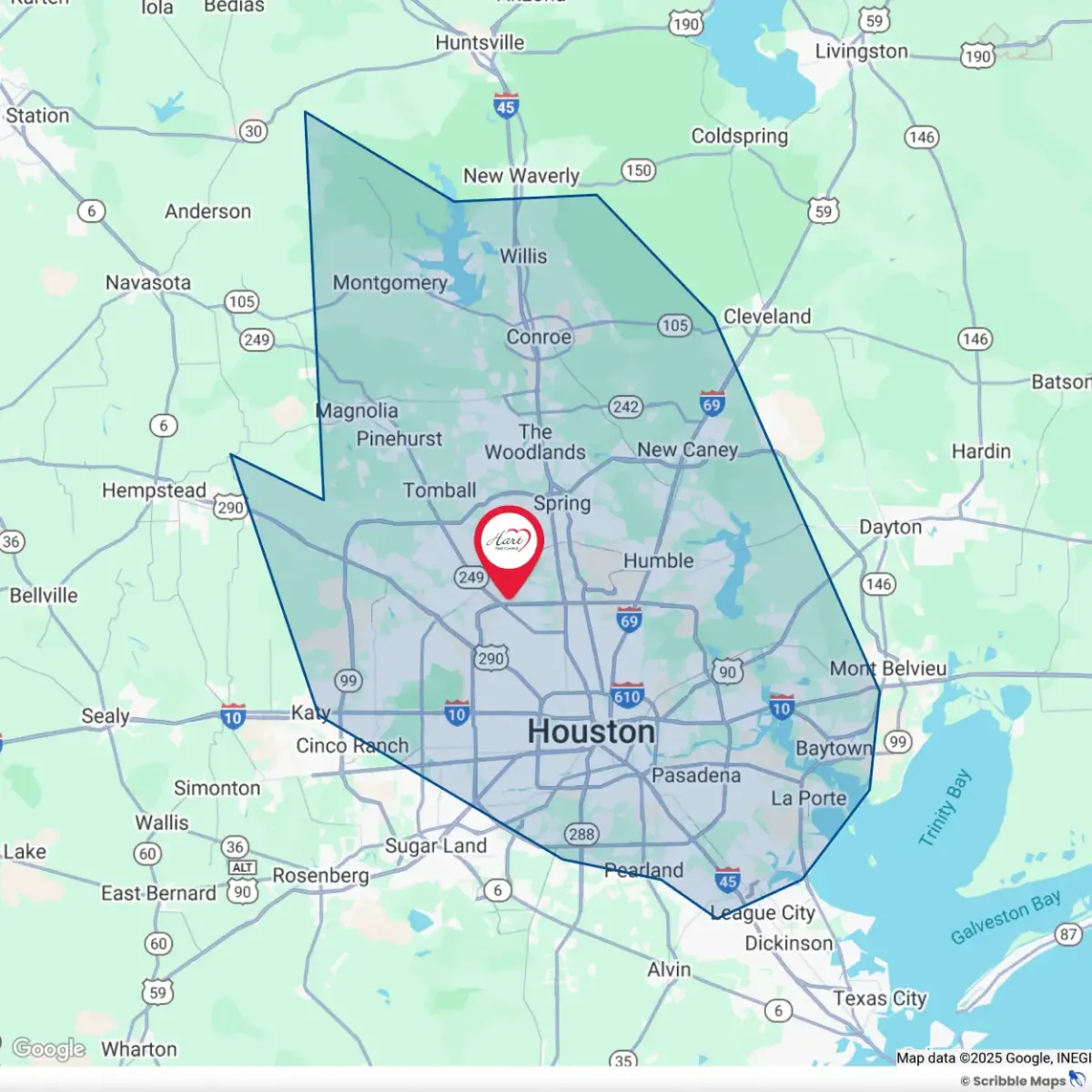
Not in Katy? We also offer rodent control in Houston and surrounding areas!
37 Years of Solving What Others Miss
When you've spent 37 years in the field, you stop guessing and start knowing. Hart Pest Control has built that kind of proven expertise, identifying problems fast and getting them right the first time, including the seasonal ones that come back year after year.
That depth of experience means you're working with a team that's already seen your situation, knows what drives it, and has the tools to handle it, backed by decades of reliable service to homeowners just like you.
Warning Signs You May Have a Rat or Mouse Problem on Your Property
Rodents are good at staying out of sight, but they almost always leave evidence behind. Whether it's rats or mice, these animals tend to move through a property in predictable ways, and once you know what to look for, the signs are hard to miss.
Catching the problem early matters. Rats and mice reproduce quickly, and a small number of rodents can grow into a much larger infestation in a short period of time.
Common signs of rat and mouse activity that Texas homeowners and property managers should watch for:
- Droppings along walls, in cabinets, or near food storage areas
- Gnaw marks on wood, plastic, wiring, or food packaging
- Grease or rub marks along baseboards and entry points from repeated rodent travel
- Scratching or scurrying sounds inside walls, ceilings, or crawl spaces at night
- Shredded paper, insulation, or fabric used as nesting material
- Burrows or tunnels near the foundation, garden beds, or debris piles
- A strong, musty odor in enclosed spaces like garages or utility rooms
If any of these signs sound familiar, the activity on your property is likely more advanced than it appears. Hart Pest Control knows how rats and mice behave throughout the region, and that knowledge makes a real difference in how effectively an infestation is addressed.